How to Take Care of Dental Implants
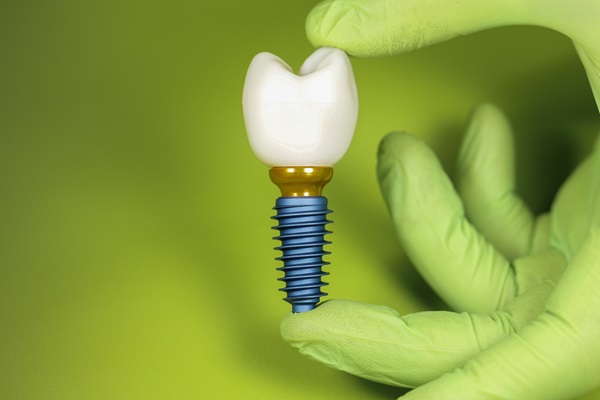
People who have been recommended to get dental implants may be wondering how to take care of them after surgery. Implants are artificial teeth held in place by metal posts positioned in the gums. They are constructed to look and function like natural teeth; thus, managing them is similar to caring for regular teeth. Once the post, abutment, and crown are surgically placed in the mouth, dental patients are responsible for taking good care of their implants to ensure a longer life.
Early care
Immediately following the final phase of dental implant surgery, patients may experience common discomforts including swelling, bruising, pain, and minor bleeding. Medication may be prescribed by a dental professional to help minimize pain during the first few days.
Individuals need to eat a diet that consists mostly of soft foods, and avoid using straws for at least two or three days. Foods and liquids that are extremely hot should be avoided, as well as foods like popcorn, rice, and nuts that can become easily lodged in the surgical site.
Swelling can be managed by holding an ice pack on the jaw. Placing a cold ice pack on the area for about 15 minutes at a time reduces swelling and inflammation.
Long-term care
A few days after getting dental implants, patients should notice improvements in their condition. If symptoms get worse after the first week, contact a dental professional who can address any issues with proper healing. Otherwise, people should follow the instructions given by dental professionals to take care of implants.
Maintain good oral hygiene
First, individuals should practice good oral care. Brush all teeth, both natural and artificial, at least twice a day and floss once a day. If desired, patients can use an interdental brush to clean in between the teeth more effectively.
Visit a dental professional regularly
Next, people should visit a dental professional at least twice a year. Some patients may need to schedule dental visits more frequently depending on symptoms. It is particularly important to have regular check-ups to examine the health and function of the implants.
Avoid damaging habits
Finally, there are a variety of habits that cause damage to teeth, including smoking, teeth grinding, and consuming tooth-staining products. As well as avoiding these, it is wise for patients to not bite ice and hard candy because it can break the crowns on implants. All of these habits can lead to premature damage and should be avoided.
Seek care for complications
It typically takes several months for implants to completely bond with the jawbone. However, by two weeks after surgery individuals should notice an improvement in pain. If patients notice any signs of new pain or pain that has not gone away after two weeks, then they should schedule an appointment with a dental professional.
Conclusion
The majority of dental implants are inserted successfully with no complications. To help ensure this, individuals should follow the recommendations from a dental professional to take good care of their implants.
Request an appointment here: https://dentistpointpleasant.com or call Eisenberger Dental at (848) 377-3477 for an appointment in our Point Pleasant office.
Check out what others are saying about our dental services on Yelp: Dental Implants in Point Pleasant, NJ.
Related Posts
Implant supported dentures offer a reliable solution for tooth loss, but maintaining their function and appearance requires a daily commitment to care. These restorations stay firmly anchored compared to their traditional counterparts, yet they still rely on a healthy foundation of gum tissue and bone to work correctly. Here are five tips that aim to…
Tooth extraction is a common procedure in same day dentistry. It is often necessary when there is an infection or damage so severe that the tooth cannot be saved, or in case of tooth impaction. Read on to discover tips to ensure full recovery following an extraction procedure.Regardless of the reason for tooth removal, the…
Partial dentures are an excellent option for people looking to replace their missing teeth. They may even be good options for people who don’t yet realize it, like those with gum disease or decaying teeth. We will start by explaining how dentures work, then look at when a dentist may consider using them.They are fake…
A general dentist often recommends a toothbrush that matches a patient’s age, dexterity, and oral health needs. At-home brushing matters because it removes plaque, a sticky film of bacteria that collects on teeth and along the gumline. The right brush can make daily care easier, more consistent, and more effective for both children and adults.Many…